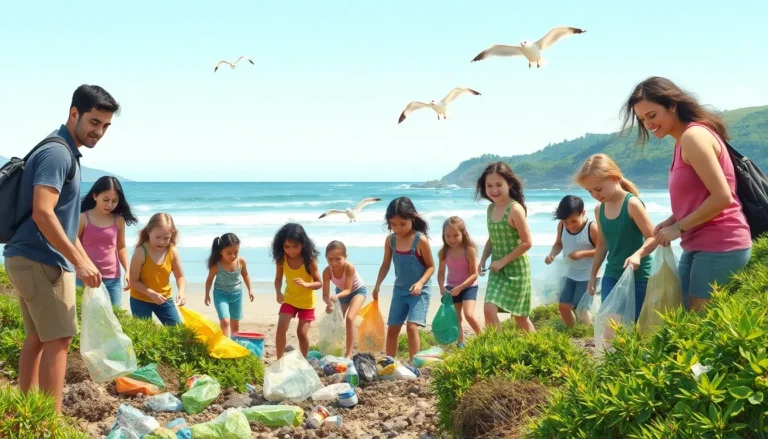

Oceans cover over 70% of the Earth’s surface and play a vital role in regulating the climate, absorbing carbon dioxide, and providing food and income for billions of people. Yet despite their vast importance, oceans face mounting threats from human activities—many of which can feel distant from daily life.
Human activity, even far from the coast, plays a large role in ocean decline. Everyday habits like using single-use plastics or washing synthetic fabrics contribute to pollution and microplastic contamination. Fertilizer runoff from lawns and farms can end up in waterways, harming marine life and disrupting ecosystems. Even urban areas, miles from the nearest shoreline, can feed pollution into rivers that eventually flow into the sea.
The good news is you don’t need to live near the coast or make drastic lifestyle changes to help. Everyday decisions, from the products you buy to how you do laundry, can support marine ecosystems. Whether it’s signing a petition or choosing a reusable product, Wave Browser says these actions add up when practiced consistently.
Choosing Better Products
Making ocean-friendly choices doesn’t have to mean changing where or how you shop. Many stores already carry products with eco-friendly certifications, like responsibly sourced seafood or eco-labeled cleaning supplies. These small switches can significantly reduce the impact on marine environments without adding extra steps to your routine.
Some brands are leading the way by cutting back on plastic packaging, offering concentrated formulas, or designing products that are easier to recycle. When these options are placed right beside traditional ones, the decision becomes simple and seamless. Consumers often overlook the influence they have over the market, but demand for greener products continues to grow when enough people make the switch.
Easy Swaps You Can Make at Home
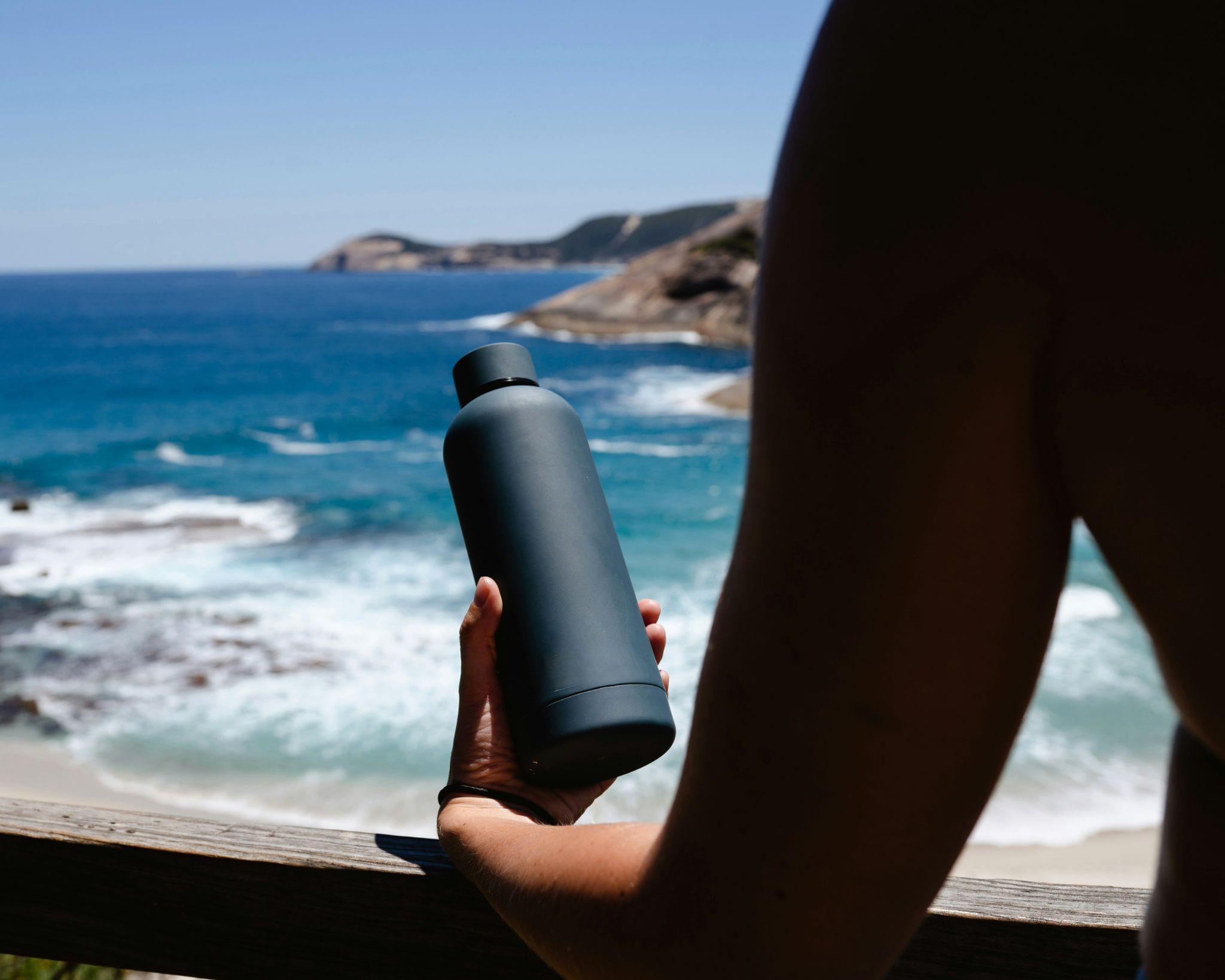
Simple changes in your daily habits can support ocean health. Switching to reusable water bottles or coffee mugs can prevent countless plastic items from ending up in waterways. These adjustments often become second nature and require little effort once they’re part of your day.
Laundry is another surprising area where the ocean feels your choices. Washing clothes in cold water not only cuts down on energy use but also helps reduce the release of synthetic fibers into the water system. Even small tweaks like using bar soap or refillable containers can make a difference over time. Being consistent with these habits can turn them into effortless routines that benefit the environment in the long run.
Supporting Businesses That Value the Ocean
Where you spend your money sends a message. Supporting companies that prioritize ocean health through sustainable practices, ethical sourcing, or reduced emissions can amplify your impact without requiring extra time or effort. From clothing to coffee, more brands are aligning their values with environmental responsibility.
Even financial institutions play a role. Some banks invest in industries known to harm marine ecosystems, while others actively fund clean energy and conservation efforts. Moving your money to a more responsible provider is one of the most powerful choices you can make. It’s worth researching where your bank stands, as even savings accounts and retirement funds can indirectly affect the ocean.
Shopping locally when possible also contributes. Shorter transportation routes reduce the carbon footprint of goods, which indirectly benefits the oceans by cutting down on emissions that drive climate-related ocean stress. Local businesses often have a stronger incentive to use sustainable practices, especially those close to coastal areas.
Online Tools that Make a Difference
Digital platforms make it easier than ever to stay informed and take small actions that help protect the ocean. Sharing credible information about marine issues or supporting conservation campaigns on social media can broaden awareness and influence others to care.
Following ocean-focused organizations can keep you in the loop on current issues and simple ways to help. Whether it’s signing a petition or joining a virtual fundraiser, these actions stack up and require only a few clicks. Even watching and sharing documentaries about the ocean can inspire others to join the cause.
Simple Actions That Add Up
Minor decisions can lead to real change. Choosing products with recyclable or compostable packaging, saying no to plastic straws, or skipping disposable utensils when ordering takeout are all effortless ways to reduce waste that might otherwise end up in the ocean. These habits also encourage businesses to offer more options in response to consumer behavior.
Even small donations to ocean-focused nonprofits can extend your positive impact. A few dollars a month helps fund cleanup efforts, research, and policy advocacy—all without changing your daily life. These gestures may seem minor, but collectively they help shift the tide toward healthier oceans. When millions of individuals take these small steps, the cumulative effect becomes impossible to ignore.